Why Am I Gaining Weight Without Eating More?

Dzarro
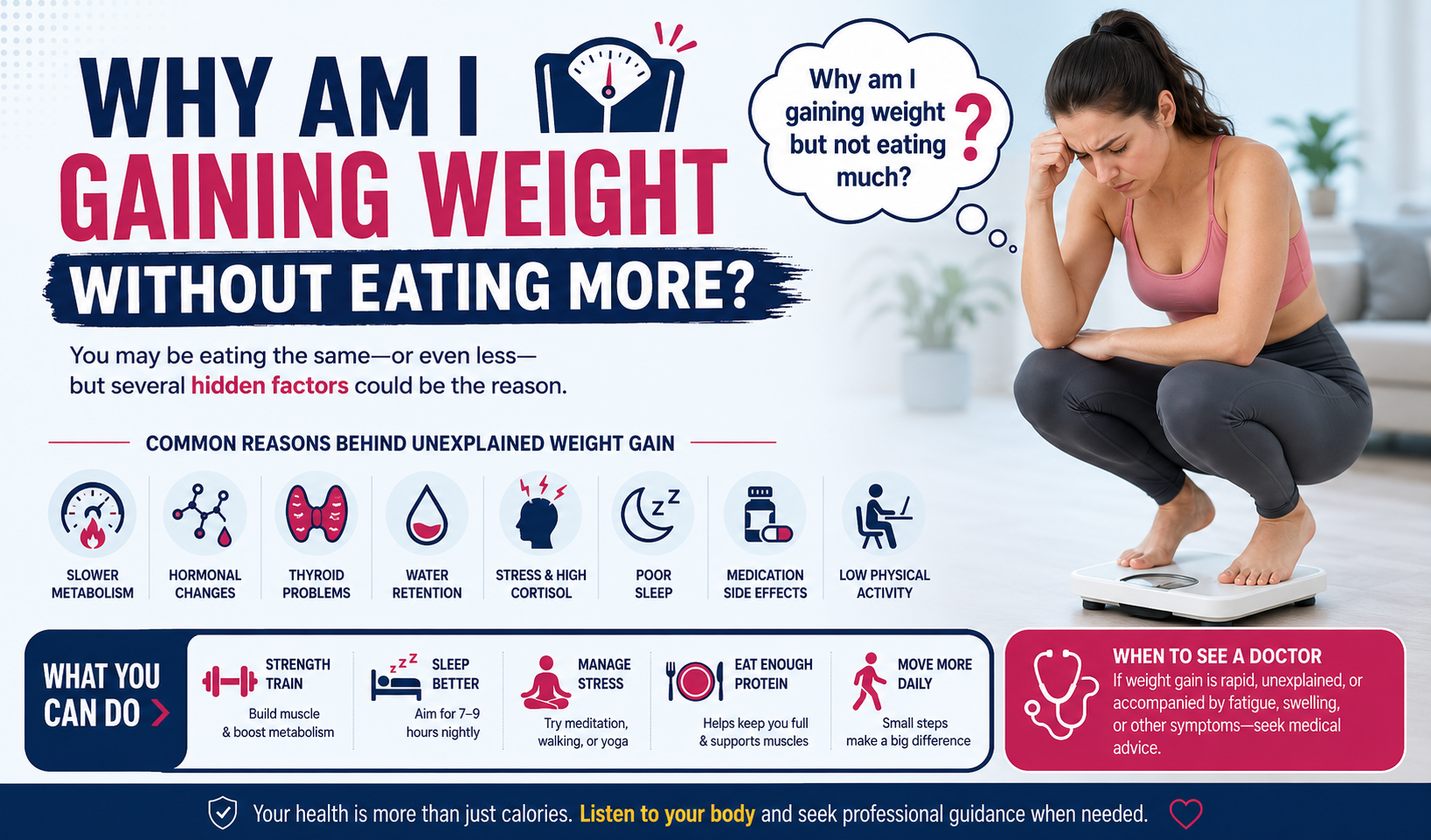
If you've been asking yourself, "why am I gaining weight but not eating much?", you're not alone. Many people notice the number on the scale creeping up even though they haven't increased their food intake. This can be frustrating, confusing, and sometimes concerning.
The truth is that weight gain isn't determined by calories alone. Your metabolism, hormones, medications, sleep quality, stress levels, medical conditions, and even how much water your body retains can all influence your weight. In some cases, unexplained weight gain may signal an underlying health issue that deserves medical attention.
In this article, we'll explore the most common reasons you may be gaining weight without eating more, explain when it's normal, discuss when to see a healthcare provider, and share evidence-based strategies to help you maintain a healthy weight.
Is It Possible to Gain Weight Without Eating More?
Yes. Although consuming more calories than you burn is the primary cause of long-term fat gain, several factors can make it appear as though you're gaining weight despite eating the same amount—or even less.
Weight changes may result from:
- Water retention
- Hormonal fluctuations
- Slower metabolism
- Loss of muscle mass
- Medication side effects
- Medical conditions
- Reduced physical activity
- Digestive issues
Sometimes the weight increase isn't actually body fat. It may be extra fluid, inflammation, constipation, or temporary hormonal changes.
1. Your Metabolism Has Slowed Down
Your metabolism naturally changes over time. As you age, your body burns fewer calories at rest, especially if you lose muscle mass.
Several factors can slow metabolism, including:
- Aging
- Reduced physical activity
- Crash dieting
- Hormonal disorders
- Poor sleep
- Chronic illness
Even if you're eating the same meals, your body may now require fewer calories than it did several years ago.
2. Hormonal Changes
Hormones play a major role in body weight regulation.
Changes in hormone levels can increase appetite, reduce energy expenditure, or encourage the body to store more fat.
Common hormonal causes include:
Menopause
Many women gain weight during menopause because estrogen levels decline, altering fat distribution and metabolism.
Thyroid Disorders
An underactive thyroid (hypothyroidism) slows metabolism, leading to:
- Fatigue
- Weight gain
- Dry skin
- Constipation
- Feeling cold
- Hair thinning
Insulin Resistance
Insulin resistance makes it harder for your body to regulate blood sugar and may contribute to gradual weight gain, especially around the abdomen.
Cortisol
Chronic stress raises cortisol levels, which may increase fat storage and make losing weight more difficult.
3. Water Retention
Not all weight gain is body fat.
Your body may temporarily retain excess fluid due to:
- High sodium intake
- Hormonal fluctuations
- Hot weather
- Standing for long periods
- Certain medications
- Kidney or heart problems
Water retention often causes swelling in the feet, ankles, hands, or face.
4. You're Losing Muscle While Gaining Fat
As muscle mass decreases, your metabolism slows because muscle burns more calories than fat.
This often occurs because of:
- Aging
- Inactivity
- Long periods of bed rest
- Low protein intake
A person may weigh more even while appearing less toned because body composition has changed.
5. Hidden Calories Are Adding Up
Many people underestimate how much they actually eat.
Common hidden calorie sources include:
- Coffee drinks
- Salad dressings
- Cooking oils
- Sugary beverages
- Healthy snacks
- Large portion sizes
- Frequent tasting while cooking
Research consistently shows that people often underestimate calorie intake without realizing it.
6. Medication Side Effects
Several prescription medications can contribute to weight gain.
Examples include:
- Certain antidepressants
- Corticosteroids
- Some diabetes medications
- Beta blockers
- Certain antipsychotic medications
- Some seizure medications
Never stop taking medication without speaking with your healthcare provider.
7. Poor Sleep
Sleep has a direct impact on hormones that regulate hunger.
Not getting enough sleep can:
- Increase ghrelin (the hunger hormone)
- Lower leptin (the fullness hormone)
- Reduce energy levels
- Increase cravings for high-calorie foods
- Slow recovery after exercise
Adults generally benefit from getting seven to nine hours of quality sleep each night.
8. Chronic Stress
Stress affects much more than your mood.
Long-term stress may:
- Increase emotional eating
- Raise cortisol
- Reduce physical activity
- Disrupt sleep
- Encourage abdominal fat storage
Stress management is often an overlooked part of maintaining a healthy weight.
9. Digestive Problems
Constipation and digestive issues may temporarily increase body weight.
When stool builds up in the intestines, the scale may increase by several pounds.
Other digestive conditions can also cause bloating and abdominal swelling, making clothes feel tighter even if body fat hasn't increased.
10. Medical Conditions
If you're wondering why am I gaining weight but not eating much, certain medical conditions should also be considered.
Possible causes include:
Hypothyroidism
A common cause of unexplained weight gain due to reduced thyroid hormone production.
Polycystic Ovary Syndrome (PCOS)
PCOS commonly causes weight gain, insulin resistance, and irregular menstrual cycles.
Cushing Syndrome
Excess cortisol production can lead to:
- Weight gain
- Round face
- High blood pressure
- Muscle weakness
Heart, Liver, or Kidney Disease
Fluid retention caused by these conditions may lead to rapid weight gain over a short period.
Can Stress Cause Weight Gain Even If You Eat the Same Amount?
Yes.
Stress changes how your body handles energy. Higher cortisol levels may encourage fat storage while also reducing motivation to exercise and interfering with sleep.
Even if calorie intake remains stable, these physiological changes may contribute to gradual weight gain.
Could It Be Water Weight Instead of Fat?
Sometimes yes.
Signs of water retention include:
- Sudden weight increase over one or two days
- Puffy hands or feet
- Swollen ankles
- Tight rings or shoes
- Weight that changes significantly from day to day
Fat gain usually develops gradually over weeks or months.
When Should You See a Doctor?
Medical evaluation is recommended if unexplained weight gain occurs alongside:
- Severe fatigue
- Shortness of breath
- Swelling in the legs
- Persistent constipation
- Hair loss
- Feeling unusually cold
- Irregular menstrual cycles
- Rapid weight gain without explanation
Your healthcare provider may recommend blood tests, thyroid testing, hormone evaluation, or other assessments depending on your symptoms.
How to Manage Unexplained Weight Gain
If you're experiencing unexplained weight gain, start with healthy lifestyle habits while seeking medical advice if symptoms persist.
Helpful strategies include:
Maintain a balanced diet rich in vegetables, fruits, lean protein, whole grains, and healthy fats. Prioritize protein to help preserve muscle mass and support satiety.
Exercise regularly by combining aerobic activity with strength training. Building muscle helps support a healthy metabolism.
Aim for consistent, restorative sleep each night, as poor sleep can disrupt hormones involved in appetite regulation.
Manage stress through techniques such as mindfulness, yoga, breathing exercises, or regular physical activity.
Track your meals and physical activity for a week or two. Many people discover hidden calorie sources or changes in eating habits they hadn't noticed.
If you're taking medications associated with weight gain, discuss possible alternatives with your healthcare provider rather than stopping them on your own.
Frequently Asked Questions
Why am I gaining weight but not eating much?
If you're asking why am I gaining weight but not eating much, possible explanations include hormonal changes, slower metabolism, medications, stress, poor sleep, water retention, thyroid disorders, or hidden calories that are easy to overlook.
Can thyroid problems cause weight gain?
Yes. Hypothyroidism slows metabolism and commonly leads to fatigue, constipation, and gradual weight gain.
Is sudden weight gain dangerous?
Rapid weight gain over a few days, especially with swelling or shortness of breath, should be evaluated by a healthcare professional because it may indicate fluid retention or an underlying medical condition.
Can menopause cause weight gain?
Yes. Hormonal changes during menopause can affect body fat distribution and make weight management more challenging.
Why do I gain weight even though I exercise?
Exercise is only one factor affecting body weight. Hormones, sleep, medications, stress, water retention, and overall calorie balance also influence the number on the scale.
How do I know if it's fat or water weight?
Water weight usually appears suddenly and fluctuates from day to day, while body fat increases gradually over weeks or months.
Final Thoughts
If you've been wondering, "why am I gaining weight but not eating much?", remember that weight gain isn't always caused by overeating. Hormones, metabolism, medications, stress, sleep quality, and underlying health conditions can all play important roles. While occasional fluctuations are normal, persistent or unexplained weight gain deserves attention—especially if it's accompanied by other symptoms. A balanced diet, regular exercise, adequate sleep, and consultation with a healthcare professional when needed can help identify the cause and support long-term health.