What Causes Night Sweats While Sleeping? Causes, Treatments & When to See a Doctor

Dzarro
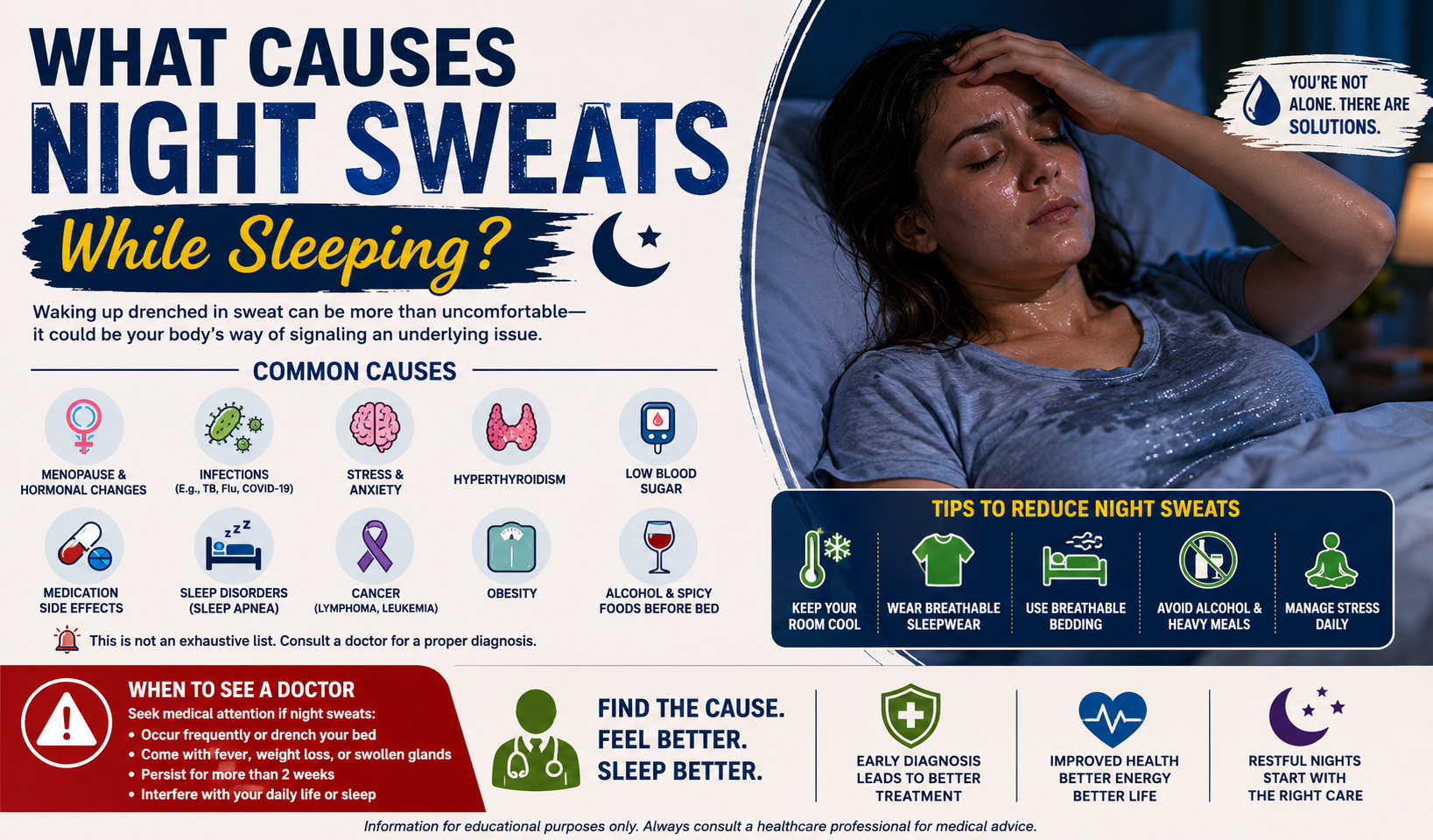
Waking up with soaked pajamas or damp bedsheets can be frustrating and sometimes concerning. While many people occasionally experience sweating during sleep because of a warm bedroom or heavy blankets, frequent or severe night sweats may signal an underlying medical condition that deserves attention.
If you've been wondering what causes night sweats while sleeping, you're not alone. Millions of adults experience sweating in sleep at some point in their lives. In many cases, the cause is harmless, but persistent or excessive sweating while sleeping may indicate hormonal changes, infections, medications, or other health issues.
This guide explains the most common causes, symptoms, treatments, prevention strategies, and when you should consult a healthcare provider.
What Are Night Sweats?
Night sweats refer to episodes of excessive sweating that occur during sleep, even when your bedroom isn't unusually warm. They often leave clothing, sheets, or blankets noticeably wet.
Unlike mild sweating caused by a warm environment, true night sweats are intense enough to interrupt sleep and may happen repeatedly.
Common Symptoms of Night Sweats
People experiencing sweating during sleep may notice:
- Soaked pajamas
- Wet bedsheets
- Waking up feeling cold after sweating
- Interrupted sleep
- Feeling dehydrated in the morning
- Fatigue due to poor sleep quality
If these symptoms occur frequently, identifying the underlying cause becomes important.
What Causes Night Sweats While Sleeping?
Several conditions can trigger excessive sweating while sleeping. Some are temporary, while others require medical treatment.
1. Menopause and Hormonal Changes
One of the leading causes of night sweats is menopause. Declining estrogen levels affect the body's temperature regulation, leading to hot flashes and nighttime sweating.
Women approaching menopause often experience:
- Sudden warmth
- Heavy sweating
- Chills after sweating
- Sleep disturbances
Hormonal changes during pregnancy and postpartum recovery may also contribute.
2. Infections
Many infections can cause sweating in sleep, including:
- Influenza
- Tuberculosis
- COVID-19
- HIV
- Endocarditis
- Osteomyelitis
When your immune system fights infection, body temperature may rise during the night.
3. Medications
Certain medications list night sweats as a side effect.
Examples include:
- Antidepressants
- Steroids
- Fever-reducing medications
- Diabetes medications
- Hormone therapy
- Blood pressure medications
Never stop prescribed medication without consulting your healthcare provider.
4. Anxiety and Stress
Mental health significantly affects body temperature regulation.
Stress activates the sympathetic nervous system, increasing sweating both during the day and night.
Signs include:
- Racing thoughts
- Increased heart rate
- Difficulty sleeping
- Panic attacks
- Frequent waking
Managing anxiety often reduces sweating during sleep.
5. Low Blood Sugar (Hypoglycemia)
People with diabetes, especially those using insulin, may experience nighttime hypoglycemia.
Symptoms include:
- Heavy sweating
- Nightmares
- Confusion
- Rapid heartbeat
- Morning headaches
Monitoring blood sugar before bedtime can help prevent episodes.
6. Hyperthyroidism
An overactive thyroid speeds up metabolism, making the body produce more heat.
Other symptoms include:
- Weight loss
- Tremors
- Fast heartbeat
- Nervousness
- Heat intolerance
Night sweating is common in untreated hyperthyroidism.
7. Sleep Disorders
Certain sleep disorders increase the likelihood of sweating in sleep.
These include:
- Obstructive sleep apnea
- Restless legs syndrome
- Insomnia
Sleep apnea causes repeated breathing interruptions that stress the body, sometimes resulting in heavy sweating.
8. Cancer
Although uncommon, persistent night sweats may occasionally be associated with certain cancers, particularly lymphoma.
Additional warning signs include:
- Unexplained weight loss
- Persistent fever
- Swollen lymph nodes
- Extreme fatigue
Most people experiencing night sweats do not have cancer, but persistent symptoms should be evaluated.
9. Gastroesophageal Reflux Disease (GERD)
Acid reflux can sometimes trigger nighttime discomfort and sweating.
GERD symptoms include:
- Heartburn
- Sour taste
- Chest discomfort
- Chronic cough
Treating acid reflux often improves sleep quality.
10. Obesity
Carrying excess body weight makes it harder for the body to regulate temperature.
People with obesity may experience:
- Increased body heat
- Sleep apnea
- Frequent sweating
- Poor sleep quality
Weight management often reduces nighttime sweating.
11. Alcohol Consumption
Alcohol initially causes blood vessels to dilate, making the body feel warm.
Later, the body attempts to cool itself, which can result in excessive sweating while sleeping.
Limiting alcohol before bedtime often improves symptoms.
12. Spicy Foods
Eating spicy meals close to bedtime raises body temperature.
Capsaicin, the active ingredient in chili peppers, stimulates sweat glands.
Less Common Causes
Although less frequent, night sweats may also result from:
- Autoimmune diseases
- Neurological disorders
- Hormonal tumors
- Certain rare infections
- Drug withdrawal
A medical evaluation may be necessary if symptoms persist.
Risk Factors
You may be more likely to experience sweating during sleep if you:
- Are over age 40
- Are experiencing menopause
- Have diabetes
- Take antidepressants
- Have thyroid disease
- Have sleep apnea
- Consume alcohol regularly
- Experience chronic stress
How Doctors Diagnose Night Sweats
Diagnosis begins with a detailed medical history and physical examination.
Your healthcare provider may ask:
- How long have the symptoms lasted?
- How often do they occur?
- Are your sheets soaked?
- Are you experiencing fever or weight loss?
- What medications do you take?
Tests may include:
- Blood tests
- Thyroid function tests
- Blood sugar testing
- Chest X-ray
- Sleep study
- Infection screening
Treatment for Night Sweats
Treatment depends on the underlying cause.
Lifestyle Changes
Simple adjustments often reduce mild night sweats.
These include:
- Keep the bedroom between 60–67°F (15–19°C)
- Use lightweight bedding
- Wear moisture-wicking sleepwear
- Stay hydrated
- Avoid spicy meals before bed
- Reduce alcohol intake
- Exercise regularly
- Maintain a healthy weight
Medication Adjustments
If a medication is causing sweating in sleep, your healthcare provider may:
- Lower the dose
- Switch medications
- Recommend alternatives
Never make medication changes without medical advice.
Hormone Therapy
Women experiencing menopausal night sweats may benefit from hormone replacement therapy (HRT), depending on their health history.
Treat Underlying Conditions
Effective treatment of conditions such as:
- Hyperthyroidism
- Diabetes
- Sleep apnea
- Infections
- Anxiety disorders
often significantly reduces night sweating.
Home Remedies
Many people improve symptoms by:
- Sleeping in breathable cotton clothing
- Using cooling pillows
- Running a fan
- Avoiding caffeine late in the day
- Practicing meditation before bed
- Keeping a consistent sleep schedule
These measures may help reduce sweating during sleep without medication.
When Should You See a Doctor?
Occasional sweating isn't usually a cause for concern.
However, seek medical evaluation if you experience:
- Night sweats several times per week
- Fever
- Unexplained weight loss
- Persistent cough
- Swollen lymph nodes
- Severe fatigue
- Chest pain
- Difficulty breathing
- Blood in sputum
Prompt diagnosis helps identify serious conditions early.
Can Night Sweats Be Prevented?
Not every case can be prevented, but healthy habits lower the risk.
Focus on:
- Maintaining a healthy weight
- Managing stress
- Limiting alcohol
- Treating chronic illnesses
- Following medication instructions
- Sleeping in a cool environment
Frequently Asked Questions (FAQs)
Is sweating during sleep normal?
Occasional sweating during sleep caused by a warm room or heavy blankets is normal. Frequent, unexplained episodes may require medical evaluation.
Why am I sweating in sleep even when my room is cool?
This may result from hormonal changes, medications, infections, anxiety, thyroid disorders, or sleep apnea rather than room temperature.
Can anxiety cause excessive sweating while sleeping?
Yes. Anxiety activates the body's stress response, increasing sweat production during both the day and night.
Are night sweats a sign of cancer?
Most night sweats are not caused by cancer. However, persistent night sweats accompanied by unexplained weight loss, fever, or swollen lymph nodes should be evaluated promptly.
Can diabetes cause sweating in sleep?
Yes. Low blood sugar during the night can trigger heavy sweating, nightmares, and restless sleep in people with diabetes.
Does dehydration cause night sweats?
Dehydration itself doesn't usually cause night sweats, but excessive sweating can contribute to dehydration if fluids aren't replaced.
How can I stop excessive sweating while sleeping naturally?
Keeping your bedroom cool, wearing breathable fabrics, avoiding alcohol and spicy foods before bedtime, reducing stress, and maintaining a healthy weight can help reduce symptoms.
Final Thoughts
If you've been asking what causes night sweats while sleeping, the answer isn't always straightforward. Occasional sweating in sleep is often harmless and related to your sleeping environment or temporary lifestyle factors. However, persistent sweating during sleep or excessive sweating while sleeping may point to underlying issues such as hormonal changes, infections, thyroid disorders, diabetes, anxiety, or sleep apnea. Paying attention to accompanying symptoms and seeking medical advice when needed can help identify the cause early and ensure appropriate treatment. With the right diagnosis and lifestyle adjustments, most people can significantly reduce or eliminate night sweats and enjoy more restful, uninterrupted sleep.