Why PEEK Material Is Popular in Industrial Applications

Polymat India
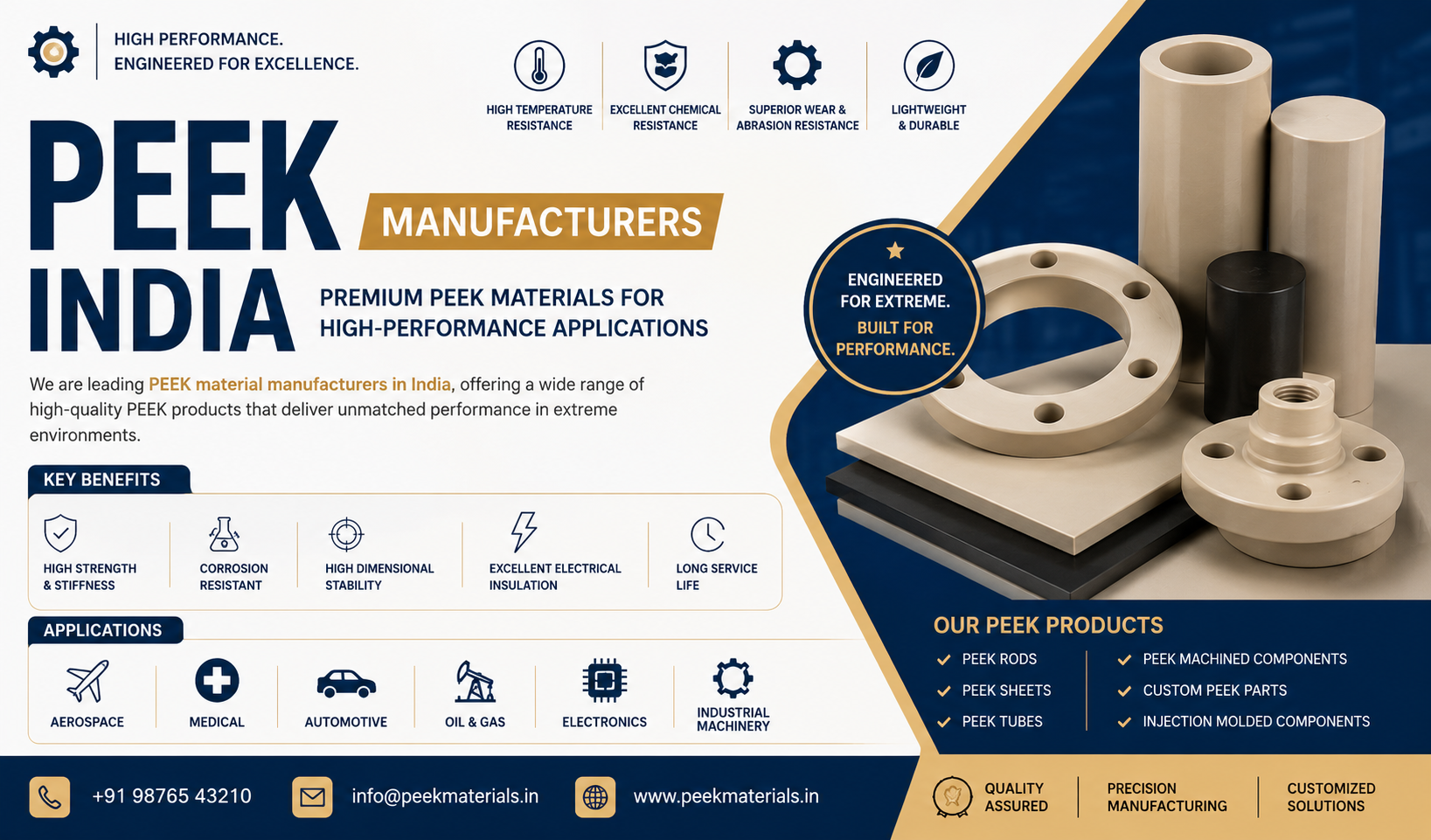
Polyether ether ketone (PEEK) has rapidly gained attention in the industrial sector due to its exceptional combination of mechanical, chemical, and thermal properties. Its versatility makes it a top choice for engineers and manufacturers worldwide. From aerospace to medical equipment, PEEK components are becoming essential in industries that demand high performance and reliability.
What Makes PEEK Unique?
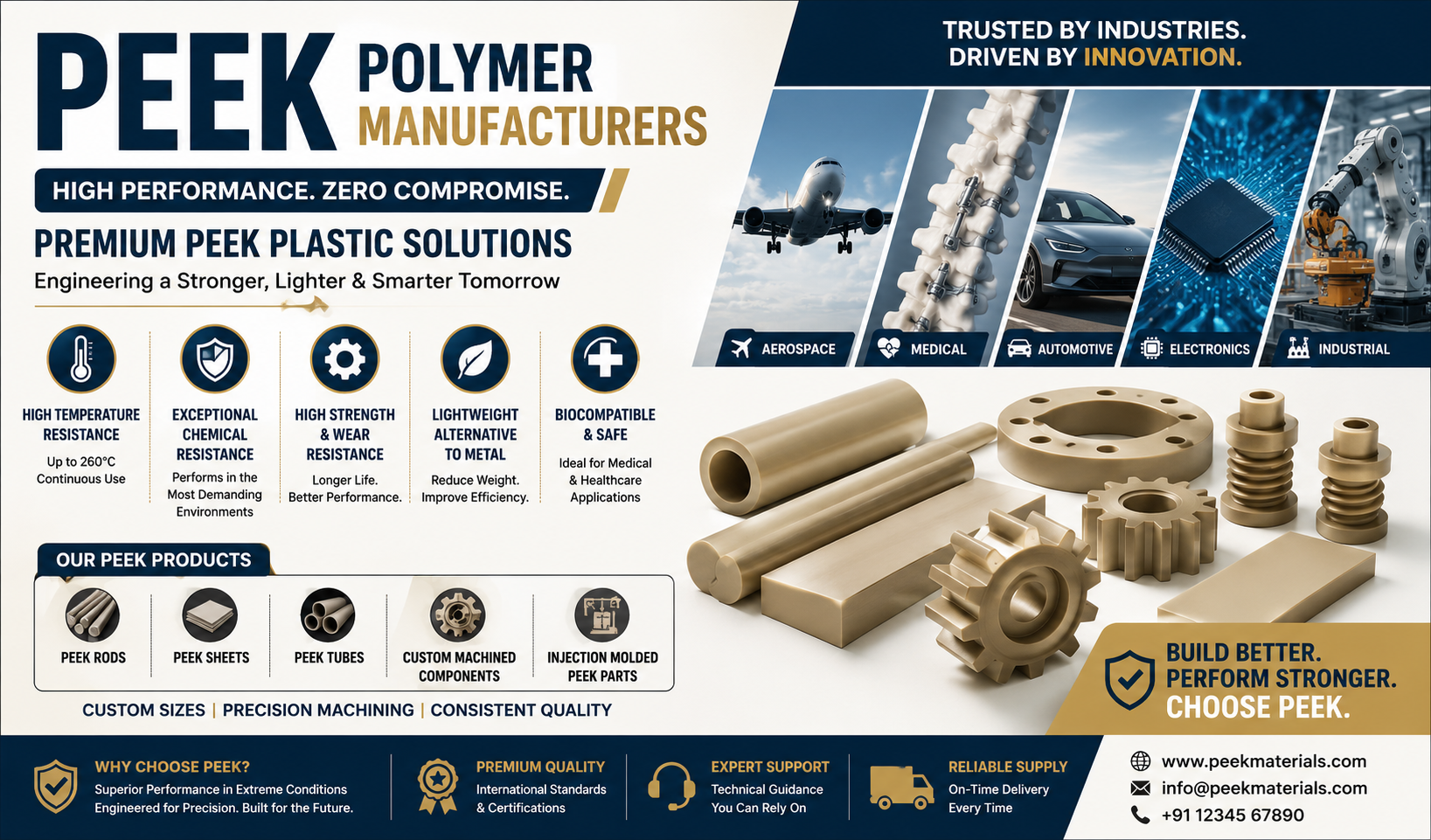
PEEK is a high-performance thermoplastic polymer known for its robustness and durability. Unlike conventional plastics, it can withstand extreme temperatures, resist chemical corrosion, and maintain structural integrity under heavy mechanical stress. These characteristics make it ideal for critical industrial applications.
Some notable properties of PEEK include:
-
High thermal stability: Operates efficiently at temperatures up to 250°C without losing strength.
-
Chemical resistance: Resistant to most acids, alkalis, and organic solvents.
-
Mechanical strength: Offers excellent tensile strength and wear resistance.
-
Low friction: Reduces wear in moving parts, making it suitable for bearings and seals.
Applications of PEEK in Industries
PEEK’s versatility allows it to be used in a variety of industrial applications:
1. Aerospace and Automotive
In aerospace and automotive industries, weight reduction without compromising strength is crucial. PEEK components like PEEK rods and PEEK plates are used in engine components, hydraulic systems, and structural parts due to their lightweight and high-performance nature.
2. Electronics
PEEK is an excellent insulator and can endure high temperatures, making it perfect for electronic components such as connectors, insulators, and cable insulation.
3. Medical Devices
In the medical field, PEEK is used for implants and surgical instruments. Its biocompatibility ensures safety, while its mechanical properties maintain performance under stress.
4. Industrial Machinery
PEEK rods, tubes, and plates are widely used in industrial machinery for gears, bearings, and seals. Its wear resistance and low friction reduce downtime and maintenance costs.
Types of PEEK Products
PEEK Plates
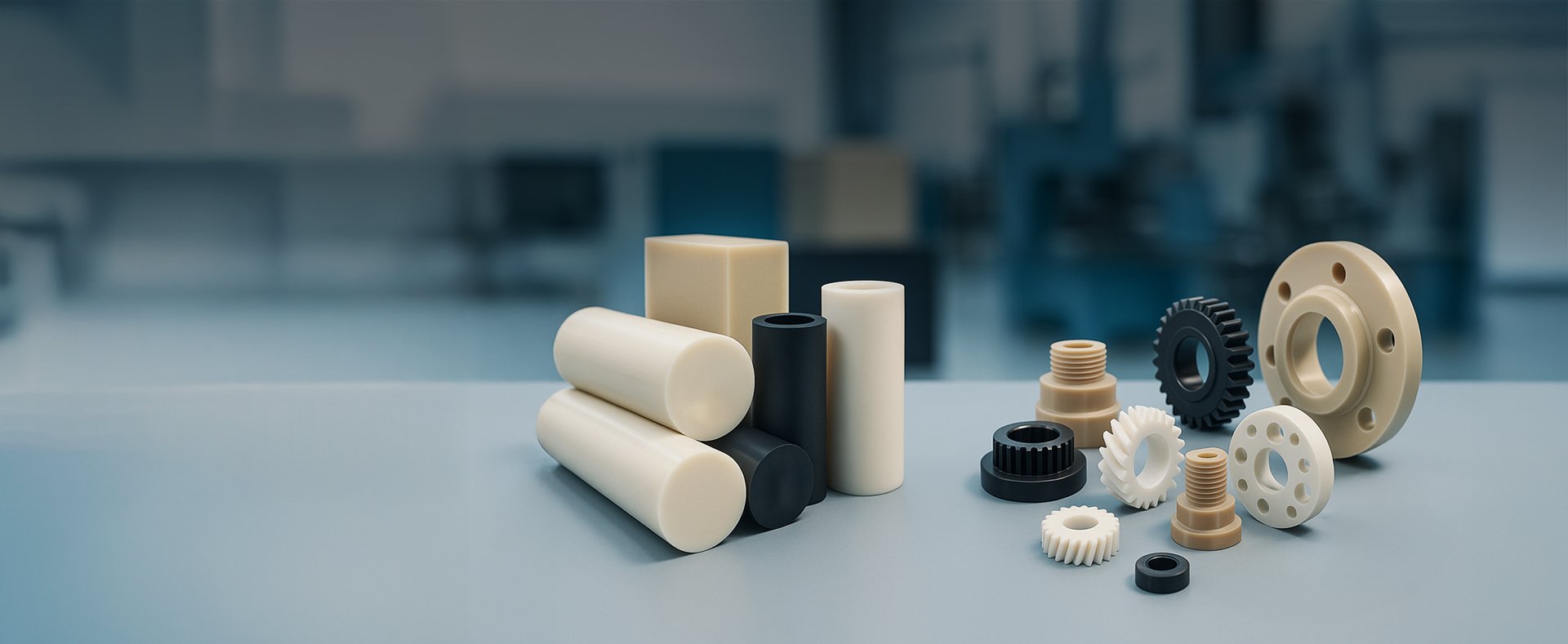
PEEK plates are flat sheets used for structural components, lining surfaces, and wear-resistant layers. They are highly favored by engineers for their uniform strength and thermal stability.
PEEK Tubes
PEEK tubes are used in fluid transfer systems, chemical processing, and high-pressure applications. Their resistance to chemical attack and high temperatures makes them ideal for industrial pipelines and medical tubing.
PEEK Rods
PEEK rods are versatile and can be machined into custom components such as bushings, spacers, and mechanical parts. Their dimensional stability and mechanical strength make them reliable for precision engineering applications.
Why Manufacturers Prefer PEEK
Industrial manufacturers, especially PEEK plates manufacturers, PEEK tubes manufacturers, and PEEK rod manufacturers, choose PEEK due to its superior performance and long service life. Compared to traditional metals and other polymers, PEEK offers significant benefits, including:
-
Reduced maintenance costs due to wear resistance
-
Lightweight alternatives to metals for structural components
-
Compatibility with harsh chemical environments
Case Study: Automotive Industry
A leading automotive parts manufacturer replaced certain metal components with PEEK rods in their high-performance engine systems. This change reduced component weight by 40%, improved fuel efficiency, and extended the service life of engine parts by over 50%.
Conclusion
PEEK’s combination of strength, thermal stability, and chemical resistance makes it a material of choice for a wide range of industrial applications. Whether it’s PEEK plates, tubes, or rods, industries worldwide rely on this high-performance polymer to achieve durability, efficiency, and precision. As technology advances and the demand for high-performance materials grows, PEEK’s role in industrial innovation is set to expand even further.