PVDF Sheet vs PVDF Plate: Which Material Is Better for Industrial Applications?

Polymat India
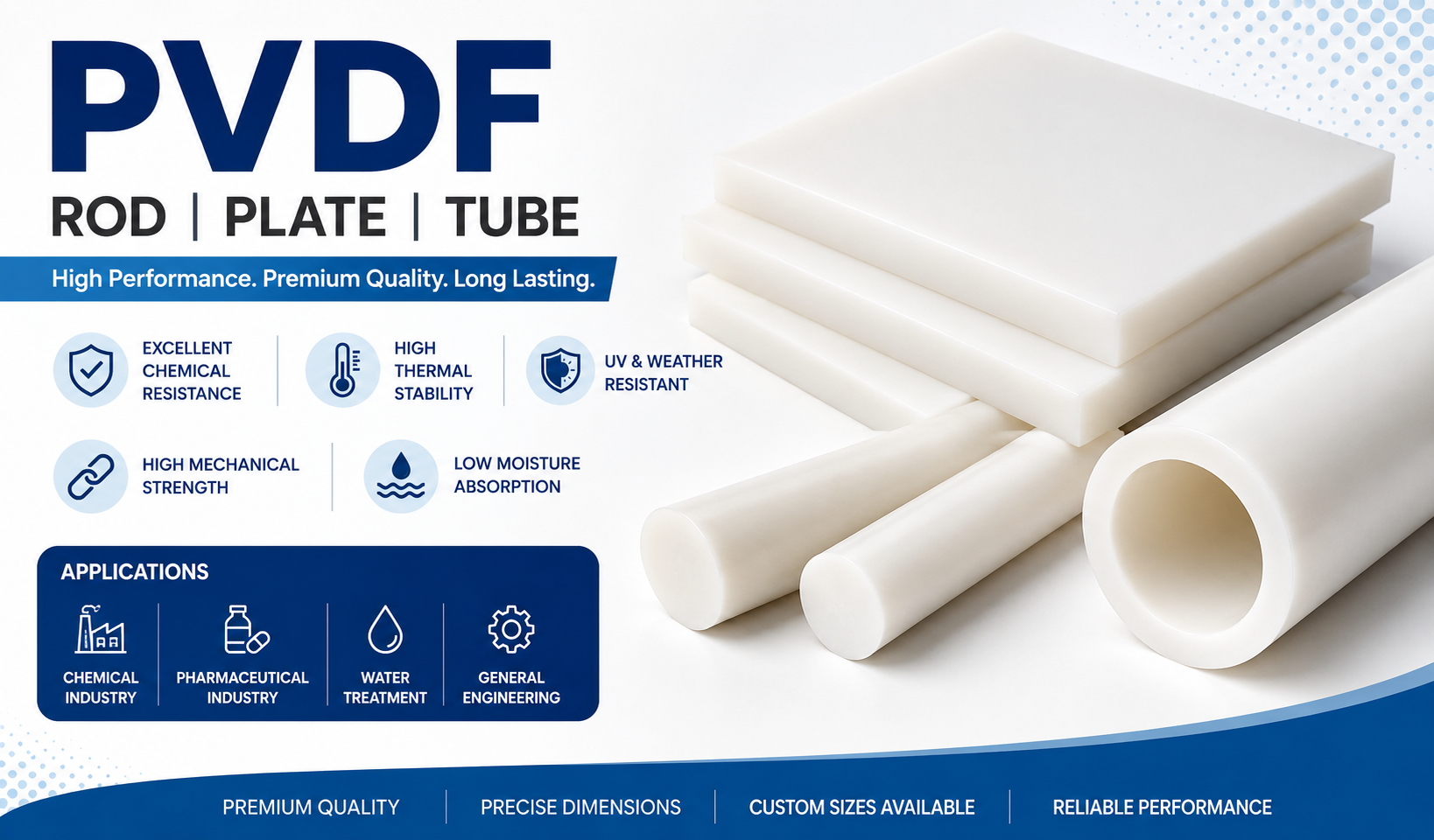
Polyvinylidene Fluoride (PVDF) is one of the most durable high-performance engineering plastics used across chemical processing, semiconductor manufacturing, pharmaceutical industries, and water treatment plants. Thanks to its outstanding chemical resistance, UV stability, mechanical strength, and high purity, PVDF plates have become the preferred choice for demanding industrial applications.
Whether you're planning a new industrial project or replacing existing components, choosing experienced PVDF plate suppliers and trusted PVDF plate manufacturers is essential for ensuring product quality, long-term performance, and compliance with industry standards.
This guide explains everything you need to know about PVDF plates, including their features, applications, manufacturing process, buying tips, and selection criteria.
What Is a PVDF Plate?
A PVDF plate is a rigid thermoplastic sheet manufactured from Polyvinylidene Fluoride resin. Unlike conventional plastic sheets, PVDF offers exceptional resistance against aggressive chemicals, acids, solvents, UV radiation, and high operating temperatures.
These plates are widely machined into industrial components such as:
- Chemical tanks
- Pump components
- Valve parts
- Semiconductor equipment
- Laboratory fixtures
- Structural supports
- Electrical insulation components
Because of its excellent purity, PVDF is also widely used in pharmaceutical and food processing industries.
Why Industries Prefer PVDF Plates
Modern industries require materials that can withstand harsh environments without degrading over time. PVDF meets these requirements by providing excellent durability and chemical stability.
Major advantages include:
- Outstanding chemical resistance
- High temperature resistance
- Excellent UV resistance
- Low moisture absorption
- High tensile strength
- Superior weather resistance
- Long service life
- Easy fabrication and welding
- High purity for critical industries
These characteristics make PVDF an ideal engineering material for both indoor and outdoor installations.
Key Properties of PVDF Plates
Excellent Chemical Resistance
PVDF withstands numerous corrosive chemicals including acids, alkalis, oxidizing agents, and organic solvents, making it ideal for chemical processing plants.
High Temperature Stability
PVDF plates maintain their mechanical properties under elevated temperatures, making them suitable for continuous industrial operations.
UV and Weather Resistance
Unlike many plastics, PVDF performs exceptionally well in outdoor environments without cracking, fading, or degrading due to sunlight.
Flame Resistance
PVDF possesses good flame-retardant characteristics, improving workplace safety.
Low Water Absorption
Minimal moisture absorption ensures dimensional stability and consistent performance.
High Purity
PVDF contains very low extractable contaminants, making it suitable for semiconductor, pharmaceutical, and laboratory applications.
Common Applications of PVDF Plates
Industries worldwide rely on PVDF plates for various manufacturing and processing applications.
Chemical Processing
PVDF plates are widely used for:
- Chemical storage tanks
- Scrubber systems
- Process vessels
- Acid handling equipment
- Corrosion-resistant linings
Semiconductor Industry
The semiconductor sector uses PVDF because of its purity and contamination resistance.
Applications include:
- Wafer processing equipment
- Chemical handling systems
- Ultra-pure water systems
- Cleanroom components
Water Treatment Plants
PVDF is used in:
- Filtration systems
- Membrane support structures
- Chemical dosing systems
- Wastewater treatment equipment
Pharmaceutical Industry
The pharmaceutical sector prefers PVDF for:
- Sterile processing systems
- Laboratory equipment
- Fluid handling components
- Clean manufacturing environments
Food Processing
Due to its purity and chemical resistance, PVDF is also used in food manufacturing equipment.
Available Sizes and Thickness
Leading PVDF plate manufacturers typically offer multiple standard dimensions to meet diverse industrial requirements.
Common thickness options include:
- 5 mm
- 8 mm
- 10 mm
- 12 mm
- 15 mm
- 20 mm
- 25 mm
- 30 mm
- 40 mm
- 50 mm
Custom-cut sizes are also available depending on project requirements.
Manufacturing Process of PVDF Plates
Reliable PVDF plate manufacturers follow strict quality control procedures.
The manufacturing process generally includes:
- Selection of premium-grade PVDF resin
- Controlled melting and extrusion
- Compression molding
- Precision thickness calibration
- Cooling process
- Surface finishing
- Dimensional inspection
- Quality testing
- Packaging for industrial shipment
Strict manufacturing standards ensure consistent mechanical properties throughout every plate.
How to Choose Reliable PVDF Plate Suppliers
Selecting the right supplier directly impacts product quality and project success.
Consider these factors before purchasing.
Product Quality
Always ask for:
- Material specifications
- Technical data sheets
- Quality certifications
- Batch traceability
Manufacturing Experience
Choose suppliers with extensive expertise in engineering plastics and industrial applications.
Custom Manufacturing
The best suppliers provide:
- CNC machining
- Custom dimensions
- Fabricated components
- Welding services
Technical Support
Reliable suppliers assist customers with:
- Material selection
- Design recommendations
- Fabrication guidance
- Installation support
Inventory Availability
Fast delivery minimizes production downtime.
Industries Served by PVDF Plate Manufacturers
Professional manufacturers supply products to numerous industrial sectors including:
- Chemical manufacturing
- Pharmaceutical companies
- Semiconductor plants
- Power generation
- Mining
- Water treatment
- Oil and gas
- Petrochemical industries
- Food processing
- Research laboratories
Advantages of Buying from Experienced PVDF Plate Manufacturers
Working directly with experienced manufacturers offers several benefits.
These include:
- Better product consistency
- Competitive pricing
- Custom fabrication
- Technical expertise
- Faster delivery
- Quality assurance
- Bulk order capability
- Long-term material availability
Maintenance Tips for PVDF Plates
Proper maintenance extends the service life of PVDF products.
Recommended practices include:
- Regular visual inspections
- Cleaning with compatible solutions
- Avoiding unnecessary mechanical impacts
- Proper storage away from sharp objects
- Routine dimensional checks in critical applications
Fortunately, PVDF requires minimal maintenance compared to many traditional materials.
Why Global Industries Trust PVDF
PVDF has earned worldwide recognition because it combines outstanding chemical resistance with excellent mechanical strength and long-term reliability.
Its ability to perform in aggressive industrial environments makes it one of the most trusted engineering plastics available today.
From chemical plants to semiconductor manufacturing facilities, PVDF continues to deliver dependable performance even under demanding operating conditions.
Conclusion
Choosing reliable PVDF plate suppliers and experienced PVDF plate manufacturers is essential for obtaining durable, high-quality materials capable of performing in harsh industrial environments. High-grade PVDF plates offer exceptional resistance to chemicals, UV exposure, elevated temperatures, and corrosion, making them suitable for a wide range of industrial applications.
When sourcing PVDF plates, prioritize manufacturers with proven expertise, stringent quality control, customization capabilities, and responsive technical support. Investing in premium PVDF materials helps reduce maintenance costs, improve equipment reliability, and ensure long-term operational efficiency.
Frequently Asked Questions (FAQs)
What is a PVDF plate?
A PVDF plate is a rigid engineering plastic made from Polyvinylidene Fluoride, known for its excellent chemical resistance, durability, and high-temperature performance.
Which industries use PVDF plates?
PVDF plates are widely used in chemical processing, pharmaceuticals, semiconductor manufacturing, water treatment, food processing, petrochemicals, and laboratories.
Why choose professional PVDF plate suppliers?
Professional suppliers provide certified materials, consistent quality, technical support, customization, and reliable delivery schedules.
Are PVDF plates resistant to chemicals?
Yes. PVDF offers excellent resistance to acids, alkalis, oxidizing agents, and many industrial chemicals.
Can PVDF plates be machined?
Yes. PVDF plates can be CNC machined, drilled, milled, cut, welded, and fabricated into custom industrial components.
Are custom sizes available?
Most experienced PVDF plate manufacturers offer custom dimensions, thicknesses, and fabricated parts based on customer requirements.
What is the operating temperature range of PVDF?
PVDF generally performs well in continuous operating temperatures up to approximately 150°C, depending on the specific grade and application.
How do I select the right PVDF plate manufacturer?
Choose manufacturers based on industry experience, product quality, certifications, customization capabilities, technical support, and delivery reliability.