PEEK Plates vs. Traditional Plastic Sheets: Which Is Better?

Polymat India
When it comes to choosing materials for industrial and engineering applications, selecting the right option is crucial. Two popular materials often considered are PEEK plates and traditional plastic sheets. But which one truly stands out in terms of performance, durability, and versatility? Let’s explore their differences, benefits, and applications to help you make an informed decision.
What Are PEEK Plates?
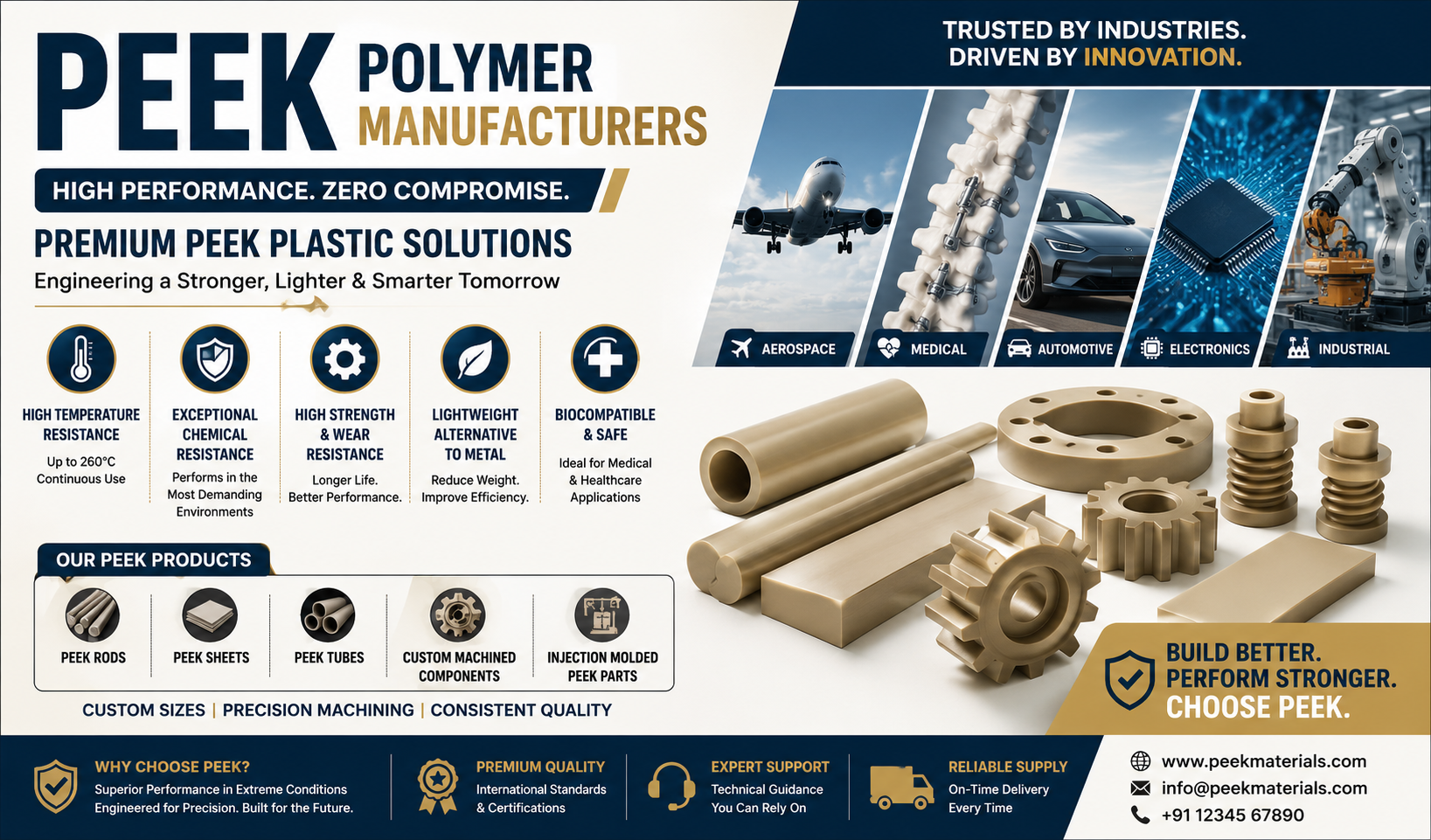
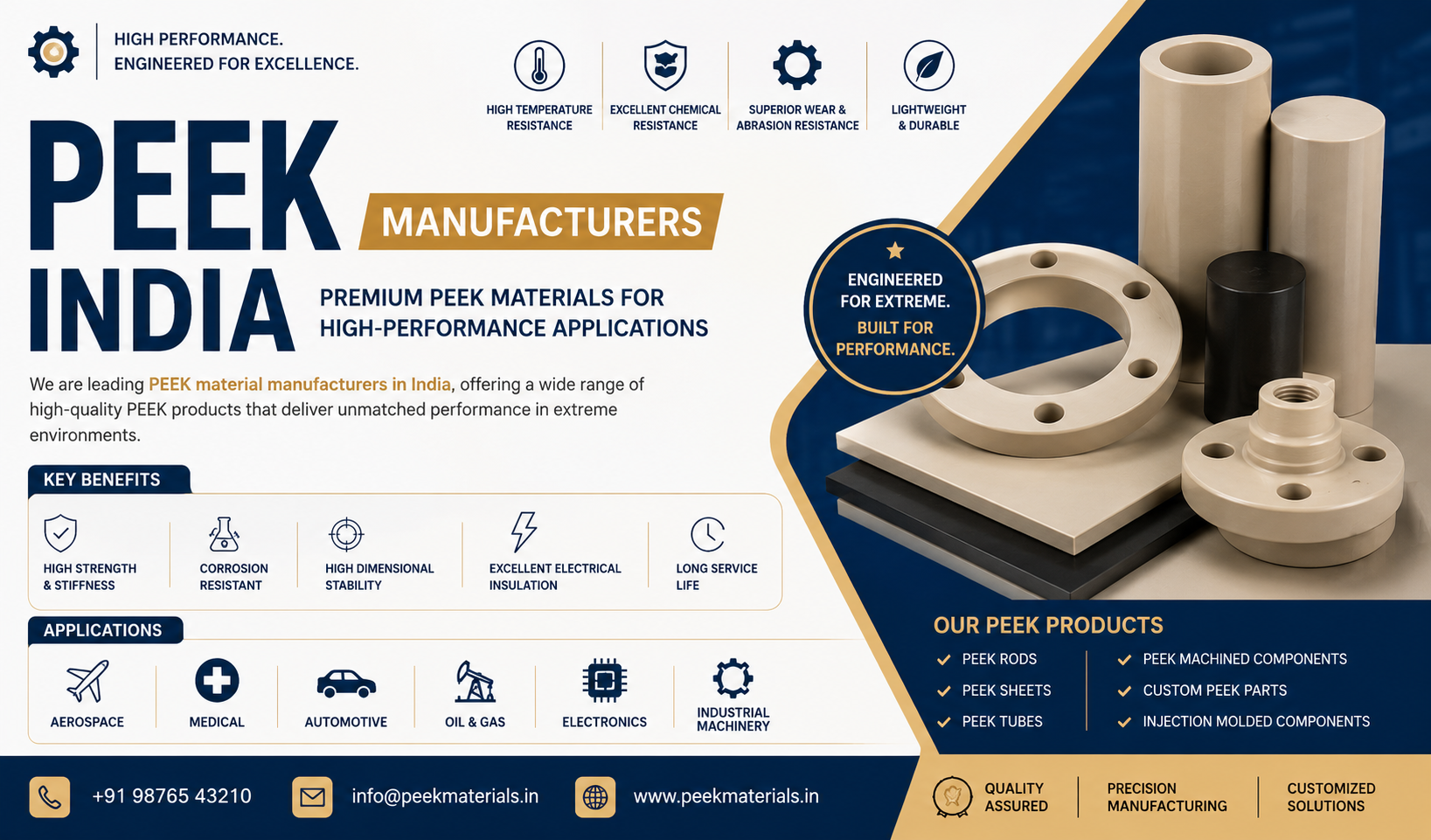
PEEK, or Polyether Ether Ketone, is a high-performance engineering thermoplastic. PEEK plates are widely used in industries like aerospace, automotive, electronics, and medical due to their exceptional mechanical and chemical properties.
Key Features of PEEK Plates:
-
High strength and stiffness even at elevated temperatures
-
Excellent chemical and corrosion resistance
-
Outstanding wear and abrasion resistance
-
Lightweight and easy to machine
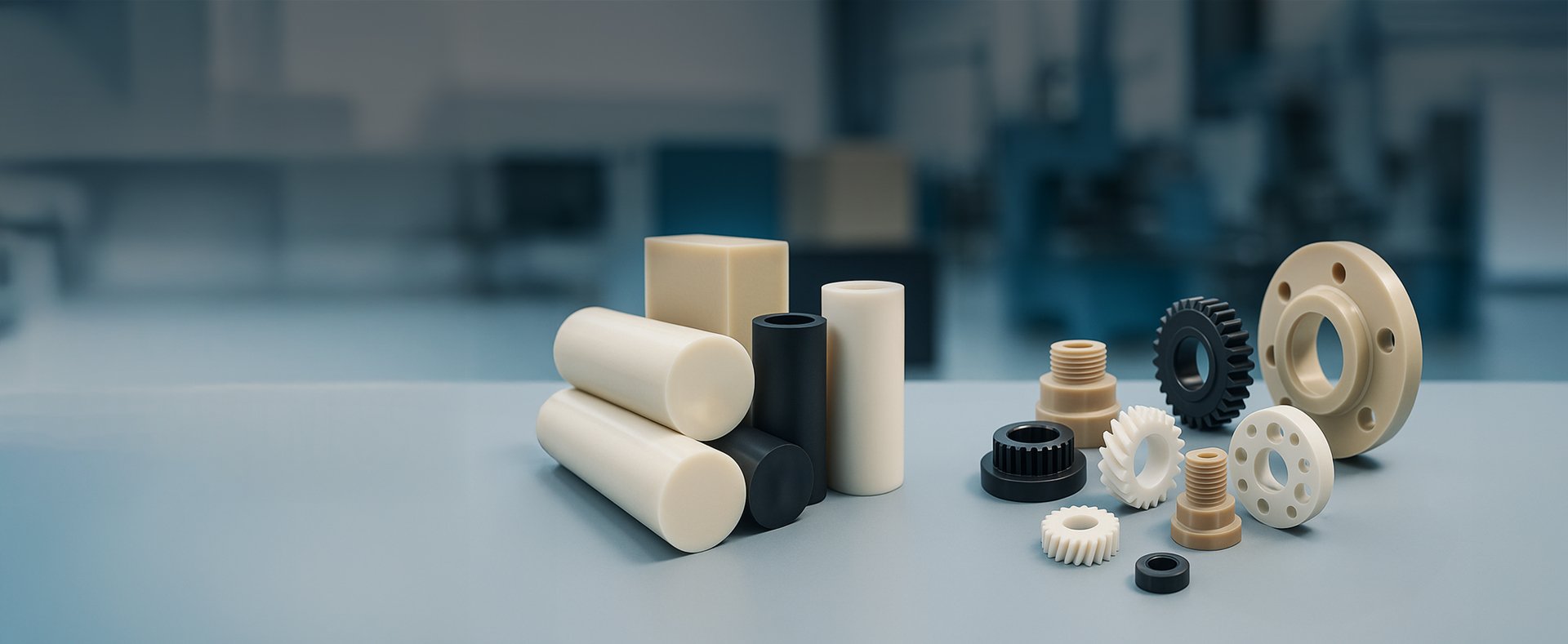
If you are looking for quality peek plates manufacturers, peek tubes manufacturers, or peek rod manufacturers, it’s important to choose suppliers with a proven track record to ensure material reliability and consistency.
Traditional Plastic Sheets: An Overview
Traditional plastic sheets are made from materials like PVC, acrylic, or polyethylene. These sheets are commonly used for general-purpose applications due to their affordability and availability.
Advantages of Traditional Plastic Sheets:
-
Cost-effective and easy to source
-
Lightweight and flexible
-
Suitable for low-stress applications
-
Easy to cut, shape, and fabricate
However, traditional plastics have limitations, especially in demanding environments. They often struggle with high temperatures, chemical exposure, and long-term mechanical stress.
Comparing PEEK Plates and Traditional Plastic Sheets
To decide which material is better, it’s essential to compare them across several important factors:
1. Strength and Durability
-
PEEK Plates: Extremely strong, maintain shape under high loads, and resist wear over time.
-
Traditional Plastic Sheets: Can warp or crack under heavy stress or high temperatures.
2. Temperature Resistance
-
PEEK Plates: Can withstand temperatures up to 250°C without degrading.
-
Traditional Plastic Sheets: Usually tolerate only moderate heat, around 60–100°C depending on the type.
3. Chemical Resistance
-
PEEK Plates: Highly resistant to acids, solvents, and oils.
-
Traditional Plastic Sheets: Varies widely; some plastics may react with chemicals over time.
4. Cost and Availability
-
PEEK Plates: More expensive, but the long-term performance often justifies the cost.
-
Traditional Plastic Sheets: Affordable and widely available, suitable for simple applications.
5. Applications
-
PEEK Plates: Aerospace components, medical devices, bearings, and high-performance machinery.
-
Traditional Plastic Sheets: Signage, packaging, simple structural parts, and DIY projects.
Why Choose PEEK Over Traditional Plastics?
While traditional plastic sheets are suitable for many everyday applications, PEEK plates offer unmatched performance for demanding environments. Their durability, heat resistance, and chemical stability make them ideal for critical applications where failure is not an option.
Moreover, working with reliable peek plates manufacturers, peek tubes manufacturers, and peek rod manufacturers ensures that you get high-quality material that meets industrial standards.
Conclusion
In summary, if your project requires strength, longevity, and high performance, PEEK plates are the superior choice. Traditional plastic sheets remain a budget-friendly option for light-duty applications, but they cannot match PEEK’s versatility and resilience.
Take Action: If you are planning an industrial or engineering project, consider investing in PEEK plates from trusted manufacturers. Doing so will save time, reduce maintenance, and improve overall product performance.